Your Post-Workout Shower Is More Important Than You Think
You finish your workout.
You head straight for the shower.
It feels automatic.
Almost forgettable.
But that shower?
It’s doing far more than washing sweat off your skin.
For anyone who exercises regularly – whether at the gym, outdoors, or through physically demanding work – the post-workout shower is not just about hygiene. It’s one of the most powerful and accessible recovery tools you have.
In fact, how you shower after a workout can influence muscle recovery, skin health, inflammation levels, and even how refreshed or fatigued you feel the next day. And what’s really happening in your body during those first few minutes after training might surprise you let’s take a closer look.
What Happens to Your Skin and Muscles After a Workout
When a workout ends, your body doesn’t instantly return to baseline.
- Muscles are inflamed.
- Body temperature stays elevated.
- Sweat, salt, bacteria, sunscreen, and pollution linger on the skin – especially in Indian weather conditions.
- Your pores are open.
- Your nervous system is still switched on.
- Your skin barrier is more vulnerable than usual.
This post-workout window is critical.
How you treat your body during this time directly impacts how quickly you recover, how your skin behaves over time, and even how fresh or fatigued you feel the next day. Yet most people use generic soaps or harsh cleansers that were never designed for this phase.
The result? Skin that feels clean, but tight. A body that’s washed, but not relaxed.
How a Post-Workout Shower Supports Muscle
Recovery
Warm water, when used intentionally, helps increase blood circulation to tired muscles. This increased flow delivers oxygen and nutrients that muscles need to repair themselves after exertion. At the same time, the physical sensation of water hitting the skin helps relax tight muscle fibres.
This is why many athletes report reduced stiffness and soreness when they shower shortly after training rather than waiting too long. For high-intensity workouts – strength training, CrossFit, long runs, or sports – this effect becomes especially noticeable.
The shower acts as a transition point between exertion and rest, allowing the body to release tension instead of carrying it forward.
The Role of Temperature in Recovery
Temperature matters more than most people realise.
A warm shower helps loosen muscles and calm the nervous system. It encourages relaxation and reduces the feeling of tightness that often sets in after intense workouts.
Some people prefer ending their shower with a brief cool rinse. This can help reduce
- Surface inflammation
- Refresh overheated skin
- Provide a mental reset.
The contrast between warm and cool water also stimulates circulation, which many find helpful for post-workout recovery.
There’s no single “right” temperature, what matters is listening to your body and using water intentionally rather than rushing through the process.
Why Skin Needs Special Care After a WorkouT
Exercise affects the skin as much as it affects muscles. Sweat mixes with oil, dead skin cells, and external pollutants.
Left on the skin for too long, this buildup can clog pores, cause irritation, and lead to post-workout breakouts or dryness.
However, using harsh cleansers immediately after exercise can be just as damaging.
Over-cleansing strips the skin’s natural oils at a time when it’s already vulnerable. That’s why dermatologists increasingly emphasise gentle, barrier-friendly cleansing after workouts, especially for people who train regularly or live in warm, polluted environments.
A well-formulated post-workout cleansing routine removes sweat and buildup without disrupting the skin’s ability to heal itself.
The Shower as a Nervous System Reset
One of the most overlooked benefits of a post-workout shower is its effect on the nervous system.
Exercise activates the sympathetic nervous system – the part responsible for alertness and intensity. Recovery requires shifting into the parasympathetic state, where the body can rest, digest, and repair.
The sensory experience of a shower – the sound of water, the warmth, the rhythmic flow – helps signal safety and calm. This shift supports better recovery, improved sleep quality, and a greater sense of mental clarity after training.
For people balancing workouts with demanding jobs or mental stress, this reset becomes especially important.
Why Your Shower Routine Matters More Than the
Products Alone
While products play a role, the routine itself is what creates impact.
- Taking a few extra minutes
- Breathing deeply
- Letting water run over tense areas
- Being present rather than rushing
That intentional pause allows your body to fully transition out of exertion. Over time, this habit can reduce cumulative fatigue and improve how your body responds to regular training. Many people underestimate how small daily rituals, when done consistently, shape long-term performance and well-being.
Choosing the Right Post-Workout Cleansing
Approach
Most of us pick a body wash based on fragrance, foam, or what’s on sale – rarely thinking about what our skin actually needs after a sweaty gym session or outdoor run. But right after a workout—when skin is warm, pores are open, and the barrier is under stress, this habit can quietly work against recovery.
Post-workout skin needs gentle effectiveness, not aggressive cleansing. The goal isn’t to strip the skin clean. It’s to remove sweat, salt, and buildup while still respecting the skin’s natural oils. Cleansers that are too harsh can leave skin feeling tight, dry, or irritated during this already sensitive window.
What to look for instead:
- Choose sulfate-free cleansers built on gentler surfactants
High-foam body washes often rely on harsh sulfates that can over-cleanse post-workout skin. A better approach is cleansing systems built with mild, coconut-derived surfactants that effectively lift sweat, salt, and impurities while preserving the skin’s moisture balance. This kind of cleansing supports recovery rather than disrupting it. - Prioritise barrier-friendly hydration while you cleanse
After exercise, the skin is already depleted from heat, friction, and sweat loss. Ingredients like glycerin, coconut-based emollients, rice extracts, and shea butter help replenish hydration as you cleanse—so skin feels comfortable and supported instead of tight or dry once you step out of the shower. - Look for soothing and cooling elements that calm post-training stress
After intense or muscle-heavy sessions, skin and muscles both benefit from calming botanicals. Cooling extracts like peppermint provide a light, refreshing sensation that helps ease post-workout fatigue, while soothing ingredients such as aloe vera and chamomile help reduce redness and calm irritation caused by heat, sweat, or sun exposure. - Support pore clarity without aggressive exfoliation
Sweat buildup and clogged pores are common after workouts, especially in humid or polluted environments. A low, skin-friendly level of salicylic acid can help gently clear buildup and keep skin feeling fresh—without the harshness of physical scrubs or overly stripping formulas. - Match your cleanse to how and where you train
Indoor strength sessions, outdoor runs, sun exposure, or long, physically demanding days all place different demands on the skin. A recovery-focused post-workout routine works best when it adapts to your movement—offering deeper relief after intense training and balanced refreshment after long, sweaty days. - Let recovery—not fragrance—guide your product choice
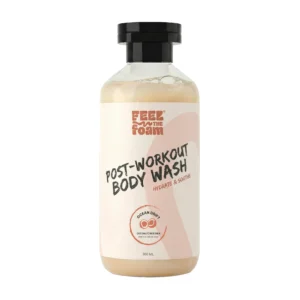
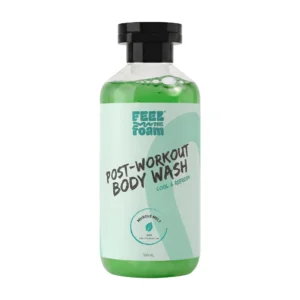
Instead of choosing based on scent or foam alone, look for formulas designed around post-workout needs. For deeper relief after intense training, we recommend Muscle Melt. For outdoor workouts, sun exposure, or long days on the move, Ocean Drift fits better—both designed to cleanse effectively without overwhelming the skin.
Recovery Is Not an Add-On—It’s Part of Training
In fitness culture, recovery is often treated as optional. Something you think about only when soreness becomes unbearable.
In reality, recovery determines how often you can train, how well your body adapts, and how sustainable your routine is over time.
The post-workout shower is one of the easiest recovery tools available. It requires no special equipment, no extra time in your schedule, just awareness and intention.
When approached thoughtfully, it becomes more than a clean-up step. It becomes a bridge between effort and rest.
The Workout Ends When the Body Resets
Training doesn’t finish when you rack the weights or end the run. It finishes when your body receives the signal that it’s safe to recover.
A well-timed, intentional post-workout shower helps deliver that signal—supporting muscles, calming skin, and easing the nervous system.
So the next time you step into the shower after a workout, slow down. Let it do its job.
Because the workout doesn’t end at the gym door.
It ends when your body is ready to move again.
For post-workout skincare that truly supports recovery, soothes tired muscles, and leaves your skin feeling refreshed and calm, we recommend exploring Feel The Foam